
Business Process Automation: A Comprehensive Guide for 2024 and Beyond
Imagine a world where your business operations flow seamlessly, mundane tasks are handled with precision, and your team can focus on what truly matters. Welcome to the realm of Business Process Automation (BPA). In 2024 and beyond, BPA stands as the cornerstone of modern business efficiency, revolutionizing the way MSPs, TSPs, and tech-enabled enterprises integrate new solutions with existing systems and streamline operations to unprecedented levels.
What is Business Process Automation?
At its core, BPA is like having a digital workforce tirelessly executing recurring tasks or processes in your business. From email marketing campaigns to intricate data processing workflows, BPA replaces manual effort with technology, making your operations smoother and smarter. According to Gartner, BPA focuses on “run the business” as opposed to “count the business” types of automation efforts and often deals with event-driven, mission-critical, core processes.
Benefits of BPA
Implementing BPA offers numerous advantages that transform how businesses operate. Here are the key benefits:
Increased Efficiency
BPA takes the repetitive tasks off your hands, freeing up your team to focus on strategic activities that drive growth and innovation. By automating mundane tasks, businesses can achieve faster and smoother operations, similar to adding an extra set of hands — or a dozen — to your team.
Improved Accuracy
Say goodbye to human error. With automated data entry and processing, your business runs with precision and reliability. Computers don’t get tired or bored, ensuring tasks are performed accurately every time.
Cost Savings
Streamlined workflows mean reduced operational costs, maximizing your bottom line without compromising on quality. Less time spent on manual work translates to significant cost savings.
Scalability
Adapt to changing business needs with ease. BPA allows you to scale your operations without overhauling existing systems, enabling your business to grow and evolve seamlessly.
Enhanced Compliance
Ensure consistent execution of processes in line with regulatory standards, safeguarding your business from compliance risks. BPA ensures processes are followed accurately and consistently.
Key Features of BPA
BPA is powered by several robust features that make it indispensable for modern businesses. Let’s explore these features:
Workflow Automation
From invoicing to employee onboarding and customer support, workflow automation ensures your business processes run like a well-oiled machine, enhancing team collaboration and efficiency.
Integration Capabilities
BPA tools seamlessly integrate with your existing software and legacy systems, providing a cohesive and unified workflow, ensuring smooth transitions and operations.
Data Management
Automate data entry and management to reduce errors and enhance data accuracy, giving you reliable insights and freeing up time for strategic decision-making.
Artificial Intelligence
Incorporate AI to supercharge decision-making and operational efficiency, making your business smarter and faster. AI can learn and adapt, providing even greater efficiency over time.
Document Management
Automate the creation, storage, and retrieval of documents, ensuring you have the right information at your fingertips, improving both efficiency and accuracy.
Practical Examples of BPA
To illustrate the power of BPA, here are some real-world examples of how it can be applied across various business functions:
Quote-to-Cash Automation
Streamline your entire quote-to-cash process, including complex pricing configurations, proposal generation, approval workflows, and integration with CRM and billing systems. This leads to faster, more accurate processing and improved customer satisfaction.
Streamlined Onboarding
Automate onboarding for new clients, partners, or employees, covering everything from information gathering to account provisioning and welcome communications, enhancing the experience for all parties involved.
Managed Services Delivery
Optimize the delivery of managed services by automating routine maintenance tasks, incident response workflows, reporting, and billing, ensuring consistency and reliability.
Sales Process Automation
Automate key steps in the sales process such as lead qualification, proposal generation, contract management, and order processing, enabling your sales team to focus on closing deals.
IT Process Automation
Reduce manual effort and human error in IT tasks like software deployments, backups, user provisioning, and incident response, leading to increased efficiency and reliability.
Employee Onboarding
Streamline HR tasks like information gathering, training, software/equipment setup, and document verification, saving time for both HR and new hires and improving the onboarding experience.
Claims Processing
Automate the receipt, validation, approval, and payment of claims, eliminating manual data entry and paper-based processes, ensuring faster and more accurate claims processing.
Invoice Processing
Reduce time and effort in invoice handling by automating receipt, validation, approval, and payment processes, improving efficiency and accuracy.
Social Media Management
Use automation tools to schedule social media posts in advance, saving time and ensuring consistent online presence, freeing up your marketing team for more strategic tasks.
Key Statistics on BPA
Understanding the impact of BPA is crucial. Here are some key statistics that highlight its significance:
- The business process automation market is expected to grow from $8 billion in 2020 to $19.6 billion by 2026.
- 80% of businesses are accelerating their automation efforts, and 50% plan to automate all repetitive tasks.
- 73% of IT leaders believe automation saves about 50% of time, and 51% say it can reduce costs by 10-50%.
- 42% of business leaders agree that workflow automation saves time and allows employees to focus on more valuable tasks.
- 70% of businesses say they have seen a 10-30% improvement in efficiency after implementing BPA.
- 75% of companies report that BPA has significantly reduced processing times.
BPA drives efficiencies and standardization, leading to increased productivity, lower costs, reduced human error rates, greater employee satisfaction, higher revenue, improved customer service, better auditing and compliance, and easy compliance management.
Case Study: Transforming Pricing Management through BPA as Part of a Larger Digital Transformation Strategy
Scenario: ABC Enterprises, a large tech-enabled enterprise, has been grappling with inefficient pricing management due to reliance on outdated spreadsheets. This has led to errors, delays, and missed opportunities, impacting their ability to compete effectively and deliver value to shareholders.
Challenge: ABC Enterprises’ pricing spreadsheets were prone to errors, difficult to update, and required significant manual effort to maintain. This inefficiency hindered their sales team’s ability to provide accurate and timely quotes to customers, resulting in lost deals and decreased customer satisfaction.
Solution: ABC Enterprises decided to incorporate Business Process Automation (BPA) as a key element of their broader digital transformation strategy. They aimed to automate their pricing management process, thereby eliminating the need for cumbersome spreadsheets. Using enterprise-grade tools like Configure, Price, Quote (CPQ) software, they achieved this goal.
Implementation:
- Workflow Automation: The first step involved automating the quote-to-cash process. BPA tools were integrated with the company’s CRM and ERP systems to streamline pricing configurations, proposal generation, and approval workflows.
- Data Management: By leveraging BPA, ABC automated data entry and updates, ensuring that all pricing information was accurate and up-to-date across the entire organization.
- Integration Capabilities: BPA tools seamlessly integrated with existing legacy systems, providing a unified and cohesive workflow that facilitated smooth transitions and operations.
- Artificial Intelligence: AI algorithms were employed to analyze historical pricing data and market trends, enabling dynamic pricing strategies that optimized profitability and competitiveness.
Results:
- Increased Efficiency: Automating the pricing management process reduced the time required to generate quotes from days to minutes, significantly improving sales team productivity.
- Improved Accuracy: Automated data entry and AI-driven pricing strategies eliminated errors, ensuring that all quotes were accurate and competitive.
- Cost Savings: The reduction in manual effort and errors translated to substantial cost savings, contributing to a healthier bottom line.
- Scalability: The new automated system allowed ABC to scale its operations without overhauling existing systems, supporting future growth.
- Enhanced Compliance: Automated workflows ensured consistent execution of processes in line with regulatory standards, reducing compliance risks.
Impact on Shareholder Value: By integrating BPA into their digital transformation strategy, ABC Enterprises achieved significant improvements in efficiency, accuracy, and scalability. These enhancements not only boosted operational performance but also increased customer satisfaction and retention. As a result, the company’s market competitiveness improved, driving higher revenue growth and ultimately increasing shareholder value.
Next Steps in the Digital Transformation Strategy:
Following the successful implementation of BPA in pricing management, ABC Enterprises plans to continue its digital transformation journey with the following initiatives:
- Customer Support Automation: Implementing BPA to automate ticketing, response, and resolution processes in customer support, ensuring faster and more consistent service.
- HR Process Automation: Automating employee onboarding, training, and performance management to improve HR efficiency and enhance employee experience.
- Supply Chain Automation: Streamlining inventory management, order processing, and supplier communications through BPA to enhance supply chain efficiency and reduce operational costs.
- Financial Reporting Automation: Utilizing BPA to automate financial reporting, budgeting, and forecasting processes, improving accuracy and decision-making speed.
- Marketing Automation: Implementing BPA for campaign management, lead nurturing, and customer segmentation to optimize marketing efforts and drive higher engagement.
By systematically automating these key business processes, ABC Enterprises aims to build a robust, scalable, and efficient operational framework that supports continuous growth and innovation. Each initiative will contribute to the overarching goal of digital transformation, ultimately driving further improvements in performance and shareholder value.
Challenges of BPA
While BPA offers numerous benefits, there are challenges to consider. Understanding these challenges can help in planning and executing a successful BPA strategy:
Change Management
Adopting BPA requires a shift in company culture and processes, which can be met with resistance from employees. Effective communication and training are essential to gain buy-in and ensure smooth transitions.
Complexity and Integration
Integrating BPA tools with existing systems can be complex and may require significant time and resources. Ensuring compatibility and seamless integration is crucial for success.
Initial Costs
The upfront investment in BPA tools and implementation can be substantial. However, the long-term benefits often outweigh these initial costs.
Data Security
Automating processes involves handling sensitive data, which raises concerns about data security and privacy. Implementing robust security measures is vital to protect against breaches and comply with regulations.
Insights from Forrester’s 2023 Digital Process Automation Survey
To stay ahead in the rapidly evolving BPA landscape, it’s important to consider the latest industry insights. Forrester’s Q2 2023 Digital Process Automation Survey provides several key takeaways:
- Economic Uncertainty: 45% of organizations paused or reduced automation investments due to economic constraints, although 56% still view process improvement as strategic.
- Enterprise Applications: Microsoft, Salesforce, and ServiceNow were identified by 64% of respondents as their primary DPA or workflow vendors.
- Data-Driven Technologies: 57% of respondents are using process intelligence tools, emphasizing the shift towards data-driven process optimization.
- Training Gaps: While 75% of organizations expect employees to engage in process optimization, only 8% provide training in automation techniques and tools, highlighting a significant training gap.
These insights emphasize the importance of strategic planning, choosing the right technology partners, and addressing training needs to successfully navigate the evolving landscape of BPA.
Implementing BPA in Your Organization
Embarking on a BPA journey requires a strategic approach. Follow these steps to ensure a successful implementation:
- Analyze the enterprise’s appetite for business automation: Business process automation changes how work gets done, so it requires buy-in from key stakeholders. Communicate the value and potential impact of BPA on their jobs to gain support.
- Understand your processes and identify potential candidates for automation: Know what the existing process involves. This understanding is critical before deploying an automation tool.
- Scope your project based on automation maturity: Companies with limited experience should start small, focusing on recurring, rules-based tasks.
- Get input from key stakeholders: Gather input on process steps to eliminate, optimize, and automate. Ensure the existing process is examined for improvements before automation.
- Choose the right tools and partners: Select BPA tools and vendors that align with your business needs and can integrate seamlessly with your existing systems.
- Plan for change management: Develop a comprehensive training and communication plan to help employees adapt to new automated processes.
- Monitor and optimize: Continuously track the performance of automated processes and make adjustments as needed to ensure ongoing efficiency and effectiveness.
In a rapidly evolving business landscape, Business Process Automation is your key to staying competitive and agile. By embracing BPA, you can unlock new levels of efficiency, cost savings, and accuracy, propelling your organization toward success. Step into the future with a robust BPA strategy and watch your business transform.
Ready to explore how BPA can revolutionize your business? Let’s talk.
In this article
You may be interested in these articles next
- AI Governance
- AI Hallucination
- AI Risk 2026
- AI-native platform
- Audit Trail
- B2B SaaS
- CFO Technology
- Configure Price Quote
- CPQ Software
- CPQ Vendor Comparison
- Daniel Kube
- Deal Hub
- Deterministic Logic
- Digital Transformation
- Enterprise AI Risk
- Enterprise Software
- Enterprise Value
- Gartner Magic Quadrant
- Ground Truth Architecture
- MSP Software
- Pricing optimization
- quote to cash
- Revenue Leakage
- Revenue Operations
- SaaS Capital Framework
- SaaS Metrics
- Salesforce CPQ
- Salesforce CPQ Alternative
- service Path
- SOC 2 Compliance
- Technology Services
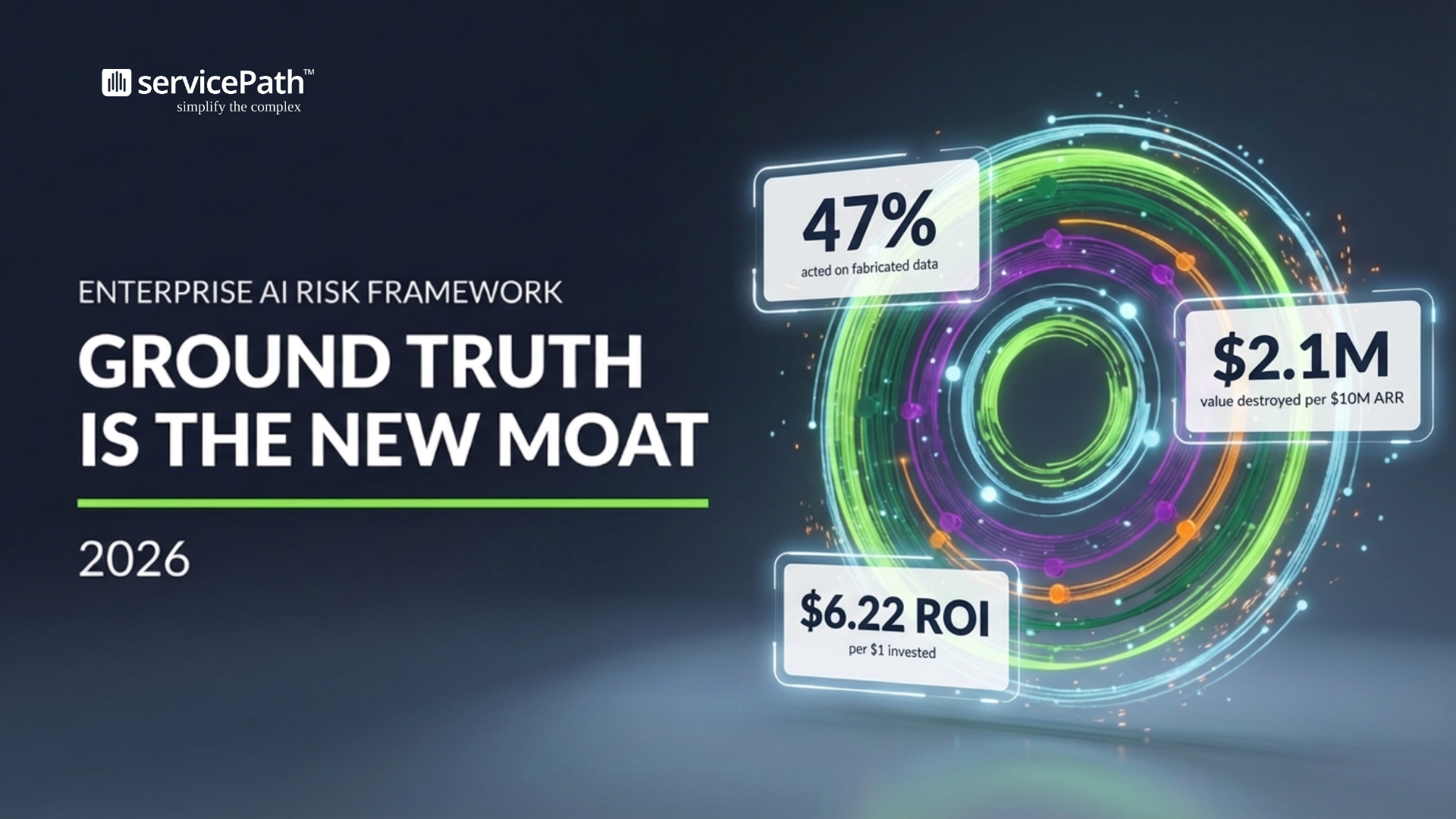
Ground Truth Is the New Moat | CPQ AI Risk Framework 2026

- Agentic AI
- AI Governance
- B2B sales technology
- Configure Price Quote
- CPQ
- CPQ Control Plane
- CRM Fragmentation
- Enterprise Revenue
- Human-Led AI
- M&A integration
- multi-CRM
- private equity
- quote to cash
- Revenue Architecture
- Revenue Leakage
- Revenue Operations
- RevOps
- Salesforce CPQ Alternative
- Service Contracts
- Thought Leadership
Revenue Architecture 2.0: A Human-Led Control Plane for Enterprise Revenue in the AI Era

- AI in Sales
- B2B commercial strategy
- B2B Sales
- Commercial Excellence
- commercial operations
- Commercial Transformation
- CPQ
- CPQ ROI
- Discount Management
- margin optimisation
- pricing governance
- pricing intelligence
- Pricing Strategy
- quote to cash
- Revenue Leakage
- Revenue Lifecycle Management
- Revenue Operations
- RevOps
- sales execution
- Sales Productivity
Commercial Excellence Is a Continuum, Not a Destination
